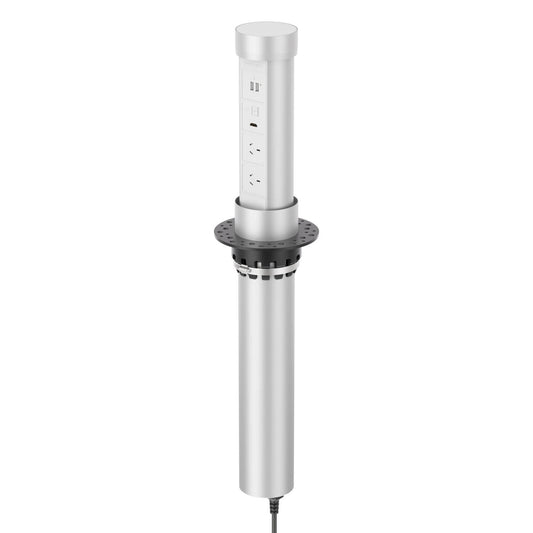
How to Use Large Washers to “Fix” an Oversized Hole for a Pop-Up Outlet
Seb AroneyIf you’re installing a pop-up outlet into a benchtop and the cut-out hole ended up too big, you’re not alone. Making a hole bigger is usually straightforward. Making a hole smaller is the hard one. The good news: in many cases, you can “rescue” an oversized hole by using a large outside-diameter washer as a trim ring (also commonly called a fender washer, penny washer, mudguard washer, or repair washer).
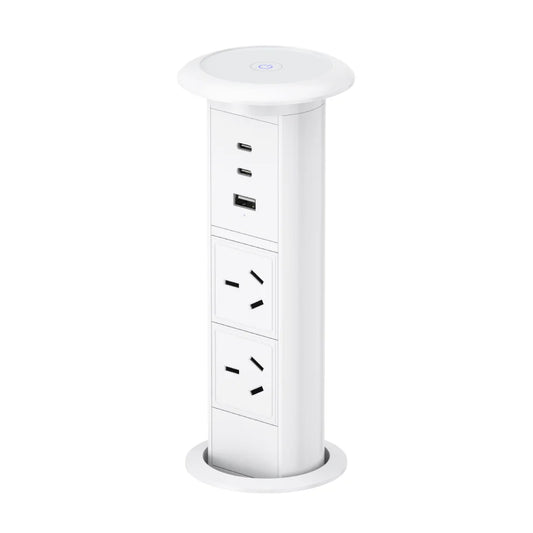
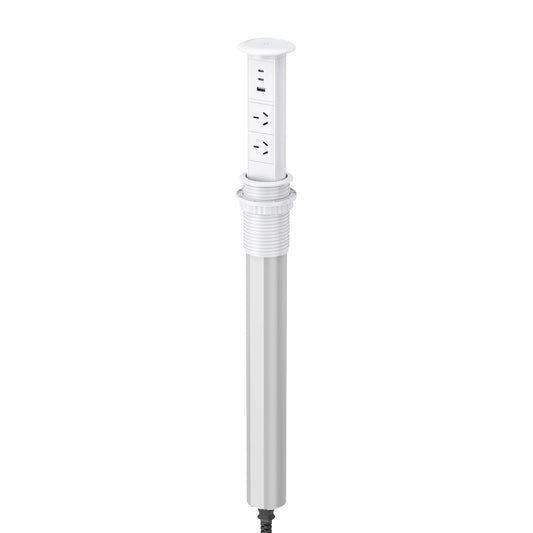
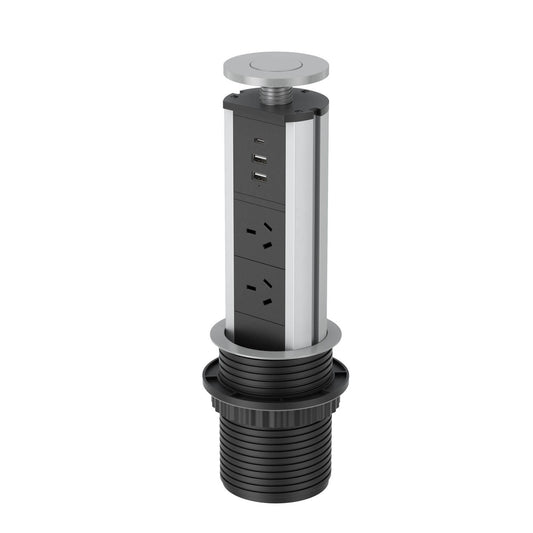
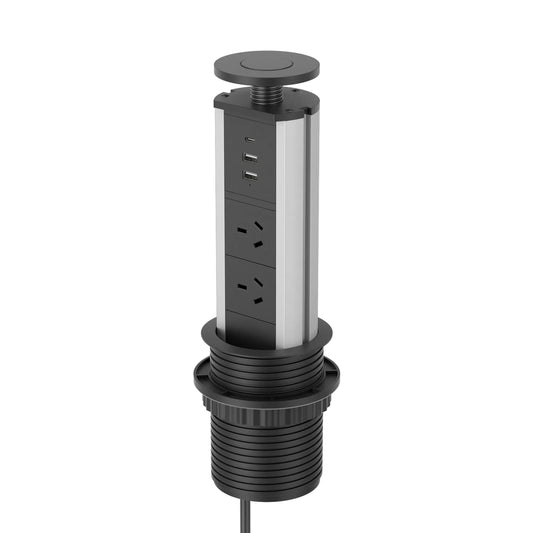
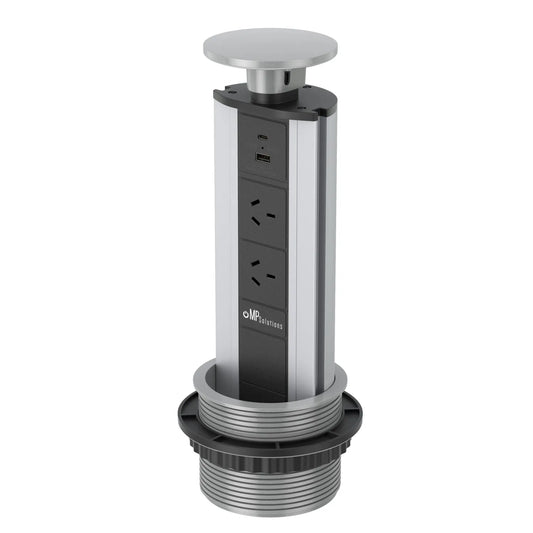
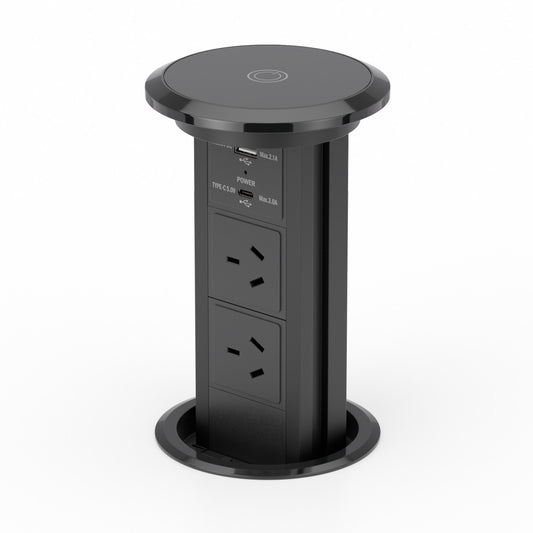
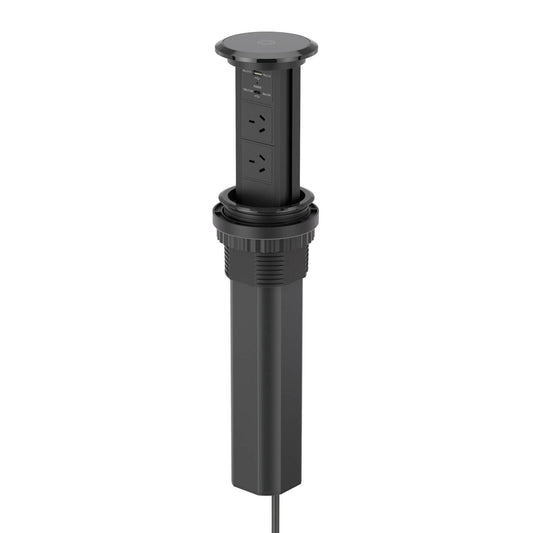
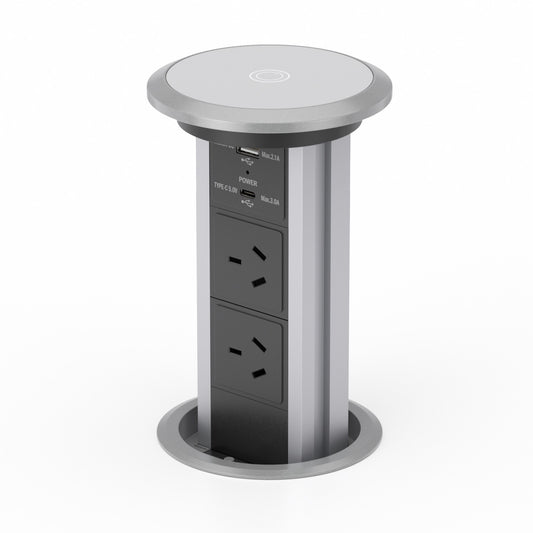
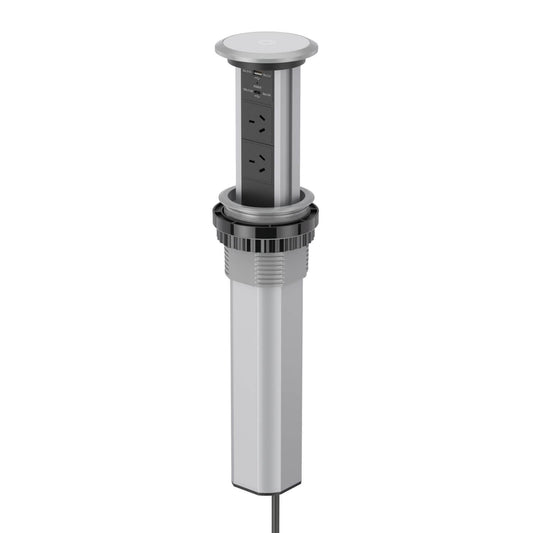
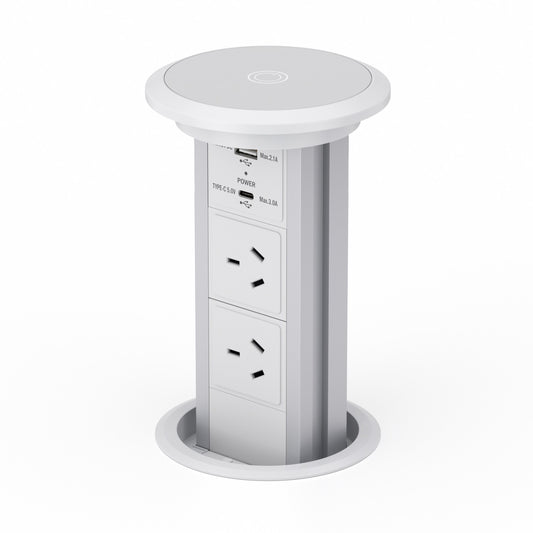
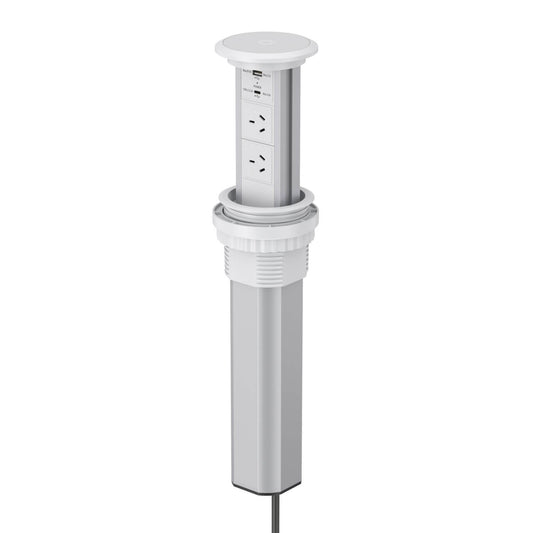
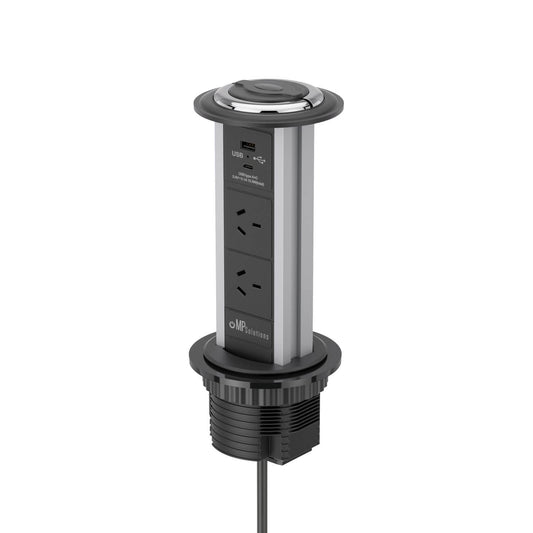
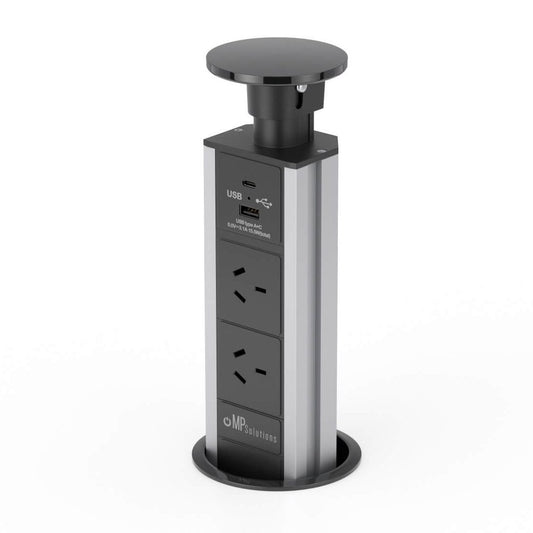
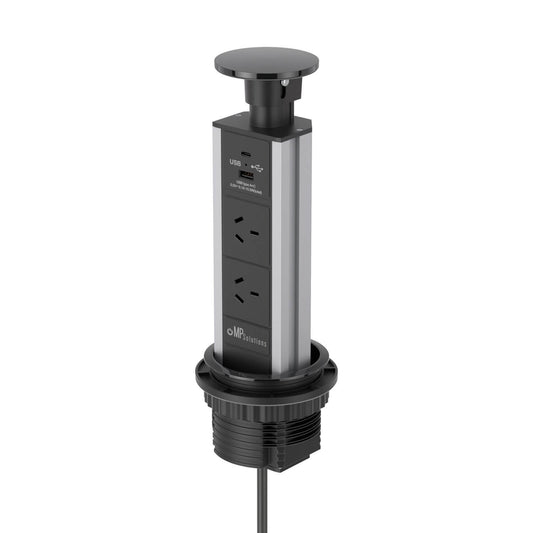
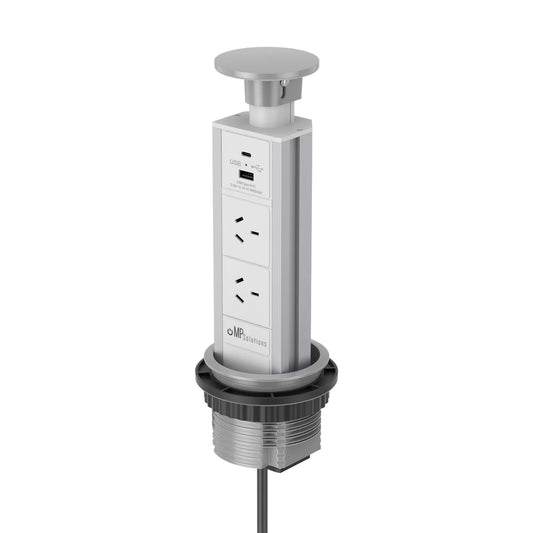
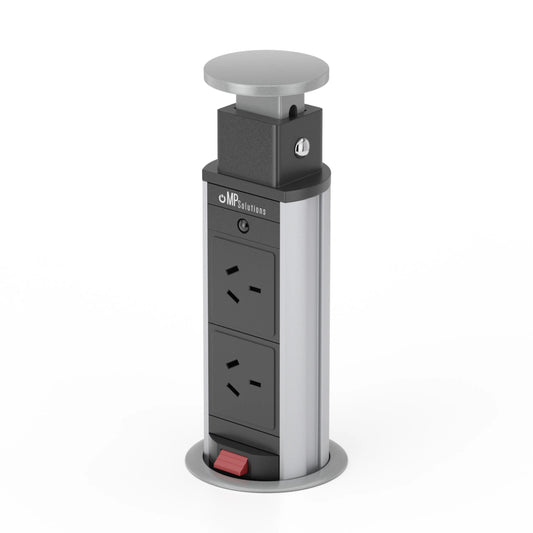
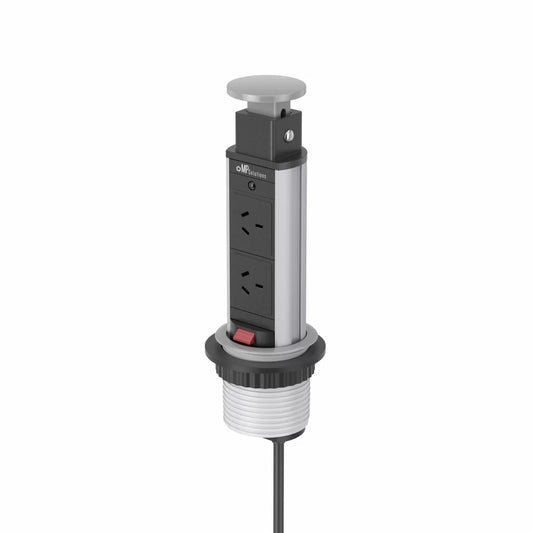
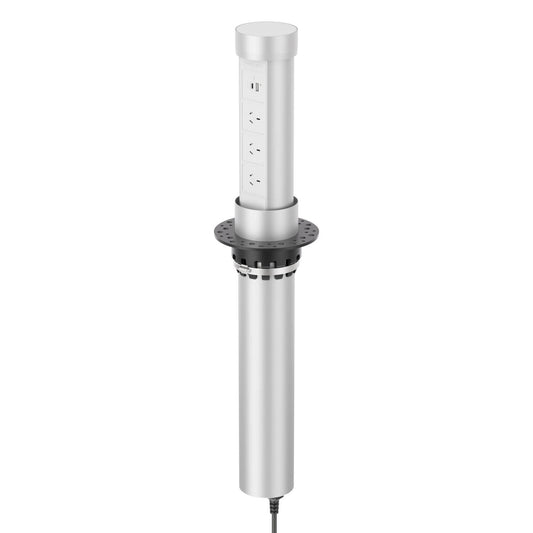
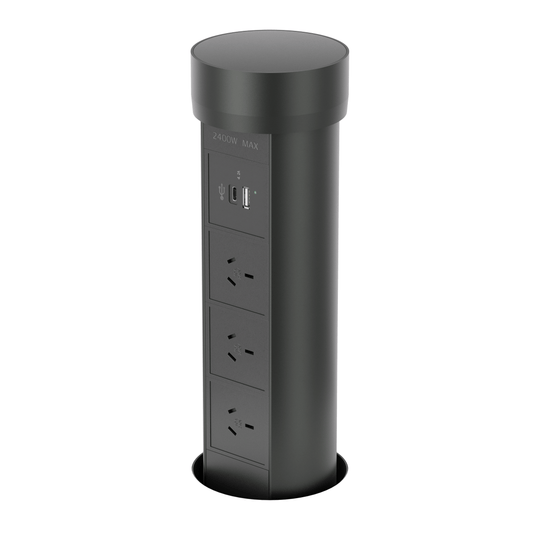
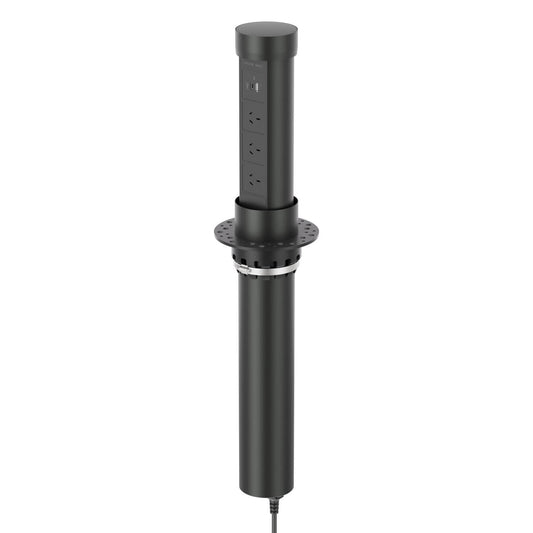
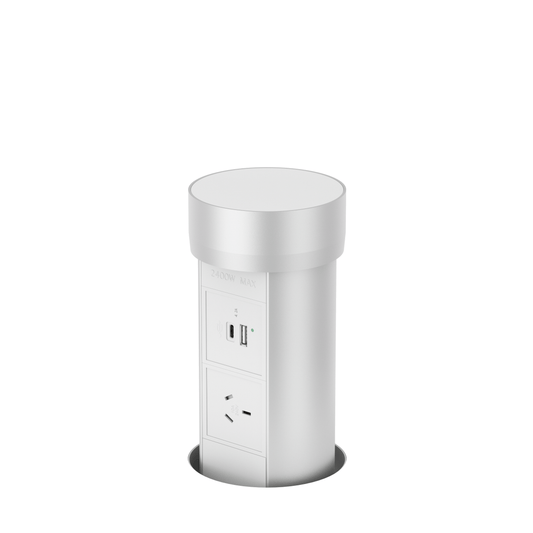
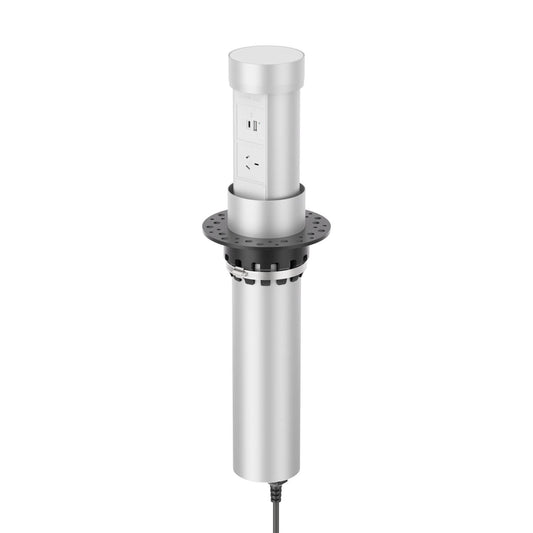
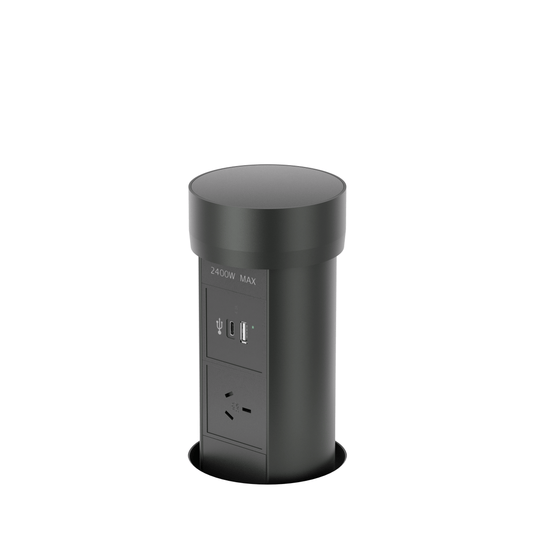
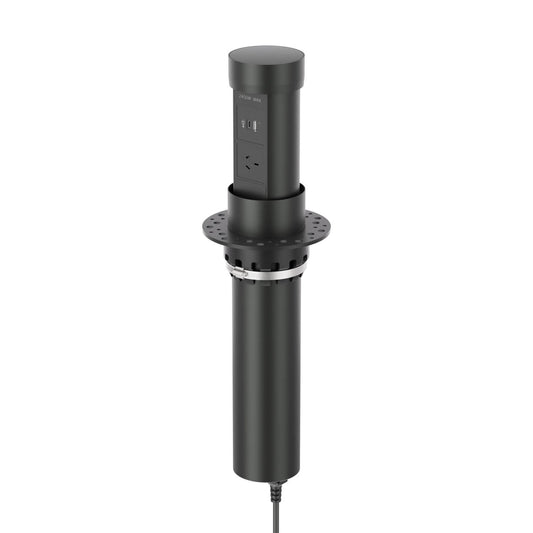
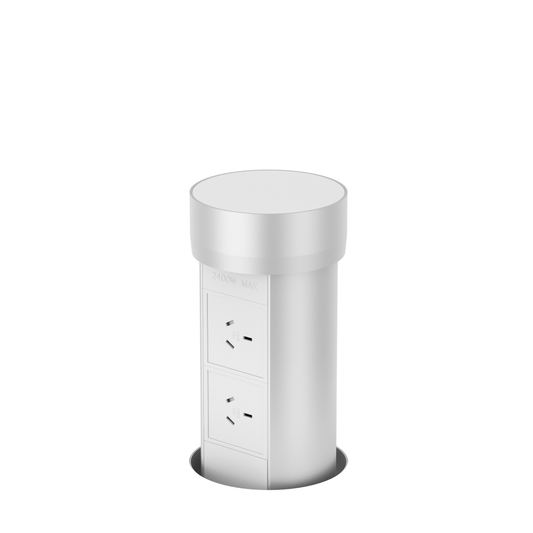
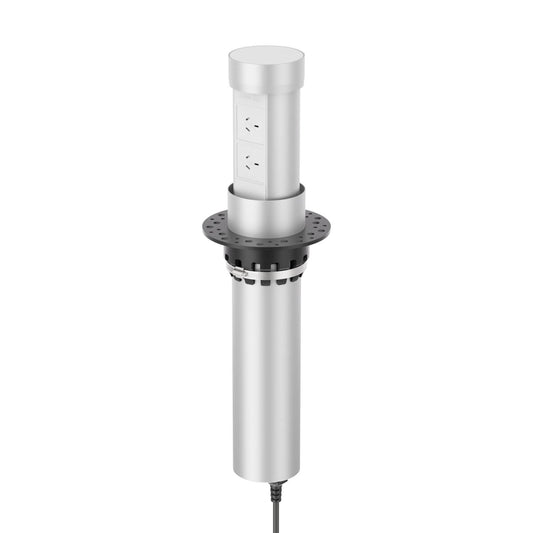
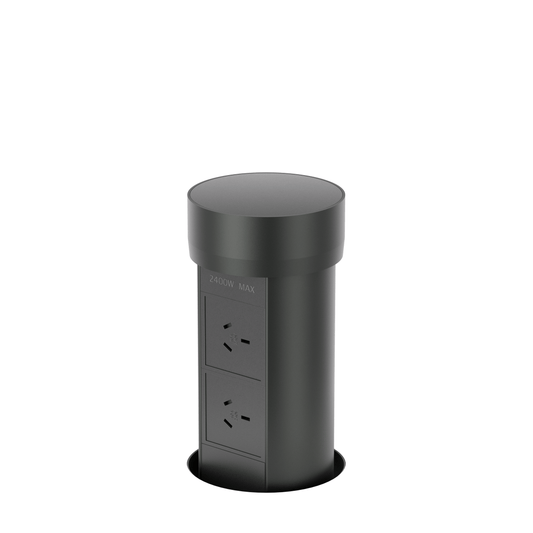
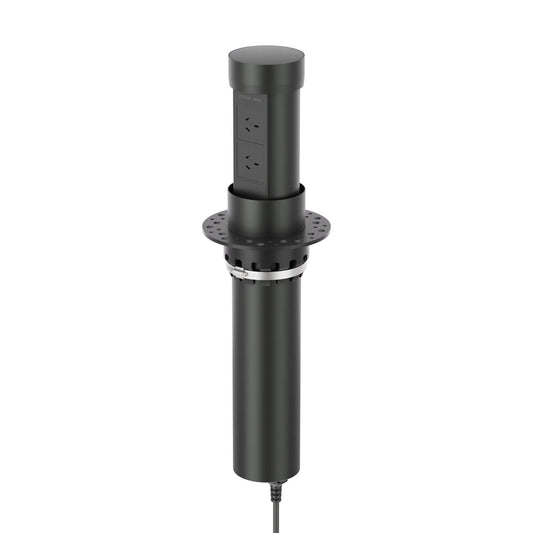
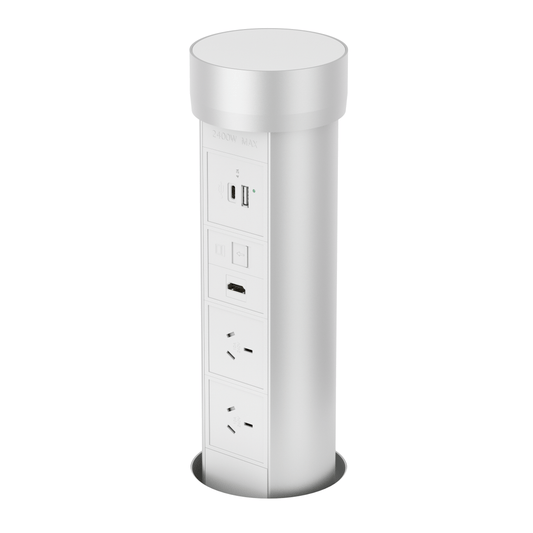
This approach works best for pop-up outlets that clamp from underneath and have a top flange that sits on the benchtop. The washer doesn’t physically shrink the hole in the stone or timber. Instead, it bridges the gap by giving the top flange something solid to sit on, while covering the oversized edge so the install looks clean.

When this solution works (and when it doesn’t)
- Works well when: your pop-up outlet has an under-bench clamp ring and a top flange (most do), and the hole is only moderately oversized.
- May not be enough when: the hole is massively oversized, the benchtop is crumbling/chipped, or your outlet relies on a precise friction fit with no under-bench clamp.
- Best practice: if the hole is very wrong, a fabricator “dutchman patch” or a purpose-made stainless trim plate may be the better long-term fix.
What you’re actually buying
You’re looking for a washer/ring with:
- Inner diameter (ID): matches the required cut-out size for your pop-up outlet (or is just slightly larger so the body passes through easily).
- Outer diameter (OD): slightly larger than your current (incorrect) hole, so it covers the gap and gives the flange a stable landing surface.
- Material: ideally stainless steel (304/316) for kitchens. Galvanised steel works too, but stainless is nicer and more corrosion-resistant.
- Thickness: thicker usually feels better and sits flatter. “Shim washers” are often very thin, so they’re great as a cosmetic trim ring, but a thicker “repair/fender washer” can be more robust.
Quick note on units: people sometimes type “ml” by accident. For hole sizes, it’s almost always mm (millimetres).
Example sizing (V5 example)
As an example, if a pop-up outlet needs an ~80mm cut-out and your hole ended up closer to ~100mm, you’d typically look for:
- ID: 80mm (or within the product’s acceptable cut-out tolerance)
- OD: 100mm (or a little larger if your hole is slightly bigger than 100mm)
That way, the outlet body still passes through the washer (via the 80mm ID), and the washer covers the oversized benchtop hole (because the OD is larger).
Where the washer goes (important)
In most installs, you place the washer on top of the benchtop so it sits between the benchtop surface and the pop-up outlet’s top flange:
- Drop the washer onto the benchtop so it’s centred over the hole.
- Feed the pop-up outlet body down through the washer + benchtop.
- From underneath, fit and tighten the clamp ring/bracket as normal.
- The top flange compresses down onto the washer, and the washer bridges/cover ups the oversized hole edge.
Tip: If you want the washer to stay perfectly centred while you tighten the clamp, use a small bead of clear silicone (or a few dots of removable tape) to “tack” it in place before inserting the unit.
Choosing the right OD (how much bigger should it be?)
Aim for an OD that is just a little bigger than your current hole. That gives you coverage without looking like an oversized dinner plate on your benchtop.
- If your hole is 92mm, try a 95–100mm OD ring.
- If your hole is 100mm, try a 105–110mm OD ring (if you can still keep it looking tidy under the outlet’s flange).
If your outlet has a wide top flange already, you may only need a small amount of extra coverage. If the flange is slim, you may need a larger OD washer to create a stable “landing”.
What to search for (alternate names)
Depending on the country and supplier, you’ll see different wording. Try these search terms:
- Repair washer
- Fender washer
- Penny washer
- Mudguard washer
- Large OD washer
- Shim washer (often thinner)
- Trim ring or escutcheon ring (sometimes used for a more “finished” ring)
Example products (for reference)
Here are some example listings so you can see the type of part you’re aiming for. Availability and exact sizes vary by supplier.
- Metric Shim Washer 80mm ID / 100mm OD (DIN 988 style) – example
- 80 x 100mm Shim Washer (thin) – example
- Mudguard / repair washers (Australia) – example range
- Extra large flat washers (Australia) – example range
Tip: If you can’t find the exact ID/OD you need, ask a local metal shop for a laser-cut stainless ring. It’s often surprisingly affordable and gives the cleanest finish.
Common mistakes (avoid these)
- Buying a washer with the wrong ID: if the ID is smaller than the outlet body, it won’t fit. Match the required cut-out size.
- Going too thin: very thin shim washers can flex or “dish” if the clamp is overtightened. If you want a sturdier feel, look for a thicker repair washer or a custom ring.
- Not sealing the top: kitchens get spills. Use the outlet’s supplied gasket if it has one, or a light bead of clear neutral-cure silicone under the flange/washer if appropriate for your benchtop material.
Pop-up outlets (Modern Power Solutions)
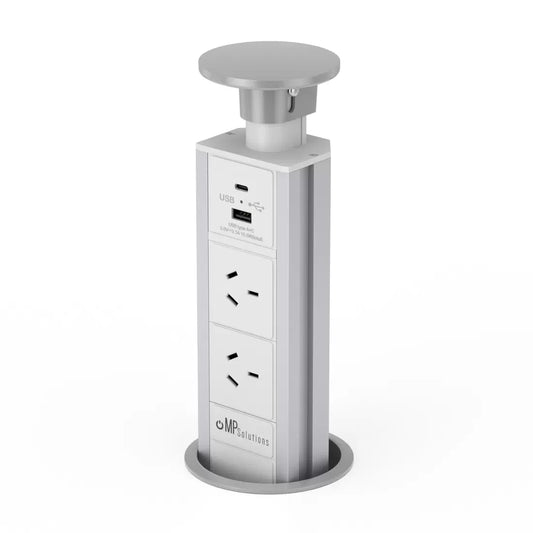
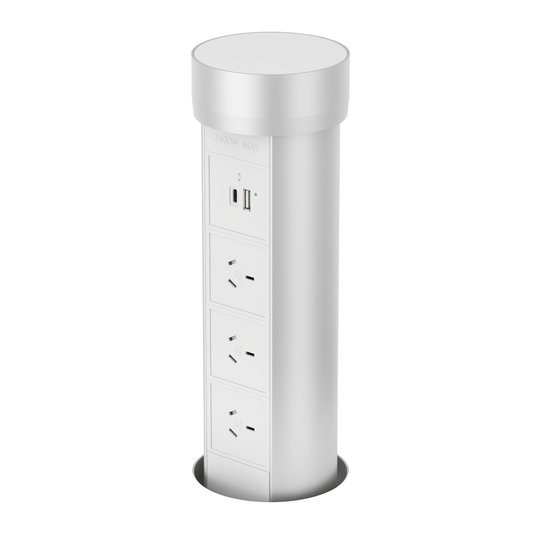
If you’re installing one of our units, you can browse our pop-up outlet range here:
If you’re unsure what washer ID you need, use the cut-out measurement listed on your product page/installation guide, then choose a washer ID that matches that requirement, and an OD that covers your current hole cleanly.
Final checklist
- Measure your current hole diameter (the “oops” size).
- Confirm your outlet’s required cut-out diameter (the “correct” size).
- Buy a large OD washer/ring with ID = required cut-out and OD = slightly larger than your current hole.
- Place washer on top, install outlet through it, clamp from underneath.
- Seal appropriately for kitchens.
Disclaimer: Always follow your specific product’s installation instructions and use appropriate sealing methods for your benchtop material (stone, timber, laminate). If in doubt, consult a licensed installer.